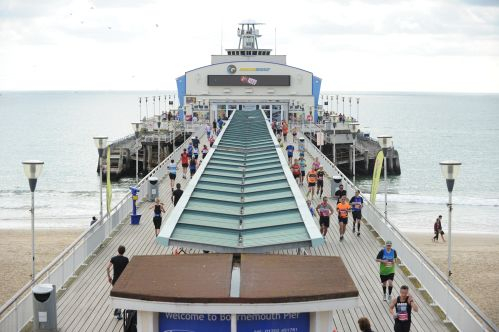
The Run Bournemouth Half Marathon is one of the most scenic and well-loved half marathon events on the UK running calendar. Set against the stunning backdrop of Dorset’s coastline, the race combines seaside views, lively crowd support, and a professionally organised course that attracts runners of all abilities.
Whether you are aiming for a personal best, stepping up from a 10K, or simply looking for an unforgettable race-day experience, understanding the course, weather conditions, and preparation requirements is key to making the most of the Run Bournemouth Half Marathon.
Overview of the Run Bournemouth Half Marathon
Held annually in October, Run Bournemouth is a major running festival that includes multiple race distances across a single weekend. The half marathon is the headline event, drawing thousands of participants from across the UK and beyond.
The event is known for its friendly atmosphere, clear organisation, and strong volunteer presence. Its coastal setting gives it a unique character, blending urban seafronts with quieter stretches along clifftops and promenades.
Autumn timing makes the race particularly appealing for runners targeting end-of-season goals or building towards longer distances later in the year.
The Run Bournemouth Half Marathon Course
The Run Bournemouth Half Marathon course is a looped route that showcases some of the most iconic coastal scenery in southern England. Starting and finishing in Bournemouth town centre, the course takes runners along the seafront and through neighbouring coastal areas, including Boscombe and Poole.
Early miles are flat and fast, running along the promenade with wide paths that allow runners to settle quickly into a steady rhythm. These sections are ideal for controlled pacing, but the excitement of the start and scenic surroundings can make it tempting to run too quickly.
As the race progresses, runners encounter gentle inclines and undulations, particularly in areas where the course moves slightly inland or climbs away from the promenade. While there are no severe hills, these gradual rises require sensible energy management, especially in the latter stages of the race.
The final miles return runners to the seafront, where crowd support increases and the flat terrain encourages a strong finish. The combination of ocean views and spectator energy creates a memorable and motivating end to the race.
Overall, the course rewards steady pacing, endurance, and the ability to handle small changes in elevation without losing rhythm.
Weather Conditions and What to Expect
October weather in Bournemouth is generally well suited to half marathon running. Typical race-day temperatures range from 10 to 15 degrees Celsius, offering cool conditions that support sustained effort.
However, the coastal location means wind is a significant factor. Headwinds along exposed sections of the promenade can increase perceived effort, while crosswinds may require adjustments to form and pacing.
Rain is possible in autumn, but heavy rainfall is uncommon. Light showers rarely cause issues, though runners should prepare for variable conditions by choosing appropriate clothing and footwear.
Training and Preparation for the Half Marathon
Preparing for the Run Bournemouth Half Marathon typically involves a structured training plan of ten to fourteen weeks. Building endurance through consistent mileage is essential, with long runs forming the backbone of preparation.
Gradually extending long runs to 10–12 miles helps prepare the body for race distance and builds confidence. Tempo runs at or near half marathon pace are particularly valuable, teaching runners to sustain effort while managing fatigue.
Interval sessions can improve speed and efficiency, while easy runs support recovery and aerobic development. Strength training, especially for the core and legs, helps manage the subtle undulations of the course and reduces injury risk.
Practising hydration and fueling strategies during training is important, particularly for runners planning to use energy gels on race day.
Race-Day Strategy and Final Thoughts
A successful Run Bournemouth Half Marathon relies on controlled pacing, particularly in the early flat miles. Conserving energy for the later undulating sections often leads to a stronger and more satisfying finish.
Breaking the race into sections can help maintain focus, while drawing energy from the coastal scenery and spectator support provides a valuable mental boost.
With its stunning location, well-designed course, and welcoming atmosphere, the Run Bournemouth Half Marathon offers a rewarding and memorable racing experience for runners of all levels.