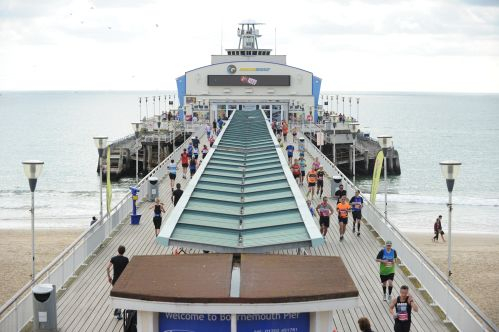
The final two weeks before the Bournemouth Half Marathon are not the time to chase extra fitness. Your longest runs have been completed, your endurance has been developed and the hardest training is behind you. Your focus should now shift towards reducing fatigue while keeping your legs ready to race.
This phase is known as the taper. A successful Bournemouth Half Marathon taper involves lowering your weekly mileage, maintaining a small amount of faster running and prioritising recovery. It is also an opportunity to finalise your nutrition, equipment, travel arrangements and pacing strategy.
Tapering can feel uncomfortable. Running less may leave you restless, while every small ache can suddenly seem important. Trust the process: you are not losing fitness. You are allowing your training to produce its full effect.
Why Taper Before the Bournemouth Half Marathon?
Weeks of half marathon training create accumulated fatigue. Even if you have taken regular rest days, your muscles, joints and nervous system may still be carrying the effects of long runs and demanding workouts.
Reducing your workload gives your body time to recover. Muscle damage can repair, glycogen stores can be replenished and general tiredness can begin to disappear.
A taper should reduce training volume without removing every faster effort. Maintaining some intensity helps preserve your running economy, coordination and familiarity with race pace. The aim is to reach race day rested but not sluggish.
You will not lose meaningful endurance during a two-week taper. Completing an unnecessary hard workout presents a much greater risk than running slightly less.
Two Weeks Before the Bournemouth Half Marathon
With two weeks remaining, reduce your usual running volume by approximately 20 to 30 per cent. You can maintain your regular number of running days if that feels natural, but shorten the distance of each session.
For example, a normal eight-kilometre run could become five or six kilometres. Recovery runs should remain easy enough for a comfortable conversation.
Your final long run will depend on your experience and training plan. For many runners, a relaxed run of approximately 12 to 16 kilometres will be sufficient. Complete it at an easy pace rather than turning it into a full race rehearsal.
Avoid running the entire half marathon distance at your target pace. Any small fitness benefit would arrive too late, while the resulting fatigue could remain in your legs on race day.
Maintain Some Half Marathon-Pace Running
Although your total mileage should fall, retaining a little faster running can help your legs feel responsive.
During the first taper week, consider a short session containing several kilometres at your intended Bournemouth Half Marathon pace. Add an easy warm-up and cool-down, and keep the faster section controlled.
You could also complete a reduced interval session or add four to six relaxed strides after an easy run. Strides are brief, smooth accelerations rather than all-out sprints.
Every taper workout should finish with energy in reserve. This is not the time for a personal-best attempt or an exhausting interval session. Race-pace running during the taper is a reminder, not a test.
Make Sleep and Recovery a Priority
Sleep is one of your most valuable recovery tools during the final fortnight. Aim for consistent bedtimes and give yourself additional time in bed where possible.
You may sleep poorly on the night before the race because of nerves, excitement or an early alarm. This is common. Several nights of good sleep beforehand will be more valuable than relying on one perfect night.
Reduce or pause heavy strength training, particularly lower-body exercises that cause soreness. Avoid unfamiliar fitness classes, strenuous hikes and long days spent unnecessarily on your feet.
Continue gentle mobility work if it is already part of your routine. Avoid introducing aggressive stretching, deep massage or unfamiliar recovery treatments immediately before the event.
Nutrition During Your Half Marathon Taper
Continue eating balanced meals throughout the taper. Running fewer miles does not mean you should dramatically restrict your food intake. Your body still needs energy to recover and replenish its fuel stores.
Include familiar sources of carbohydrates, protein, fruit, vegetables and healthy fats. Useful carbohydrate options include: Rice, pasta, potatoes, bread, oats, cereal, fruit and familiar snack bars.
Carbohydrates help restore muscle glycogen, while protein supports tissue repair. A half marathon does not usually require the same extensive carbohydrate-loading strategy as a marathon, but slightly increasing your carbohydrate intake during the final day or two can be helpful.
Spread those carbohydrates across normal meals and snacks. An enormous meal the night before the race may leave you feeling uncomfortable rather than energised.
Avoid new supplements, unusually rich food and anything that has caused digestive problems in training. Familiarity is more important than searching for the perfect pre-race meal.
Hydration Before Race Day
Hydrate consistently during race week rather than trying to drink a large amount at the last minute. Drink according to thirst and use urine colour as a general guide; pale yellow usually indicates normal everyday hydration.
Do not force yourself to consume excessive quantities of water. Overhydration can cause discomfort and, in extreme cases, become dangerous.
If the forecast suggests warm conditions, or if you tend to sweat heavily, a familiar electrolyte drink may be useful. Only use products you have already tested during training.
Reducing or avoiding alcohol during the final days may also improve sleep, hydration and recovery.
Bournemouth Half Marathon Race Week
Reduce your mileage further during race week, often to around half of your usual weekly total or less. Runs should be short, relaxed and designed to maintain routine.
A typical final week might include two or three easy runs, one brief session with a small amount of race-pace running and an optional shakeout run before race day. Follow your established training plan and avoid adding sessions to compensate for missed mileage.
Use your extra time to confirm your race-day arrangements. Check your transport, accommodation, start time, baggage information and expected journey to the start area. Allow additional time for traffic, queues and other delays.
Coastal conditions can change quickly, so check the Bournemouth weather forecast near race day. Be prepared for wind, rain, cool temperatures or unexpected warmth. Weather may affect your clothing and pacing, but it does not need to derail your race.
Prepare Your Race-Day Kit
Organise your equipment early so that you are not searching for essential items on the final evening. Your checklist might include: tested running shoes, comfortable running socks, race clothing, GPS watch and charger, Race number and safety pins, tested energy gels or chews, anti-chafing product, warm clothing for the start, dry clothing for after the finish.
Do not wear new shoes or untested clothing. A small area of rubbing can become painful over 13.1 miles.
Use the same breakfast and race fuel that worked during training. If you plan to take an energy gel, follow a strategy you have already practised.
Managing Taper Anxiety
Feeling restless during a taper is normal. Your legs may temporarily feel heavy, and minor aches can become more noticeable when you are running less.
Do not respond by completing an extra hard session to test your fitness. Look back at your training record and remember the long runs and key workouts you have already completed.
Some stiffness may improve with rest and gentle movement. However, sharp, worsening or gait-altering pain should be treated cautiously and may require advice from an appropriate healthcare professional.
Pacing the Bournemouth Half Marathon
Set a realistic race goal using evidence from your training, recent results and expected weather conditions. If the course is exposed to coastal wind, run according to effort rather than forcing your planned pace regardless of conditions.
Start conservatively. Fresh legs, supportive crowds and other runners can make the opening miles feel easier than expected. Going out too quickly may lead to a significant slowdown later.
Settle into your target effort gradually. If you feel strong during the closing miles, increase your pace and finish positively. A controlled start gives you more options in the second half of the race.
The Final 48 Hours
Keep the last two days simple. Avoid unnecessary walking, eat familiar meals and prepare your race kit in advance. Set multiple alarms and leave enough time for breakfast, travel, toilet queues and a short warm-up.
Do not panic if you sleep poorly before the race. One restless night will not erase months of training.
The Bournemouth Half Marathon taper is about trusting the work you have completed. Reduce your mileage, maintain a little intensity and prioritise sleep, nutrition and recovery. Arrive at the start line rested, properly fuelled and ready to enjoy the race.